Poland's 'Vampire' Grave Had a Sickle and a Padlock. Folklore Used Iron Before Hollywood Used Fangs
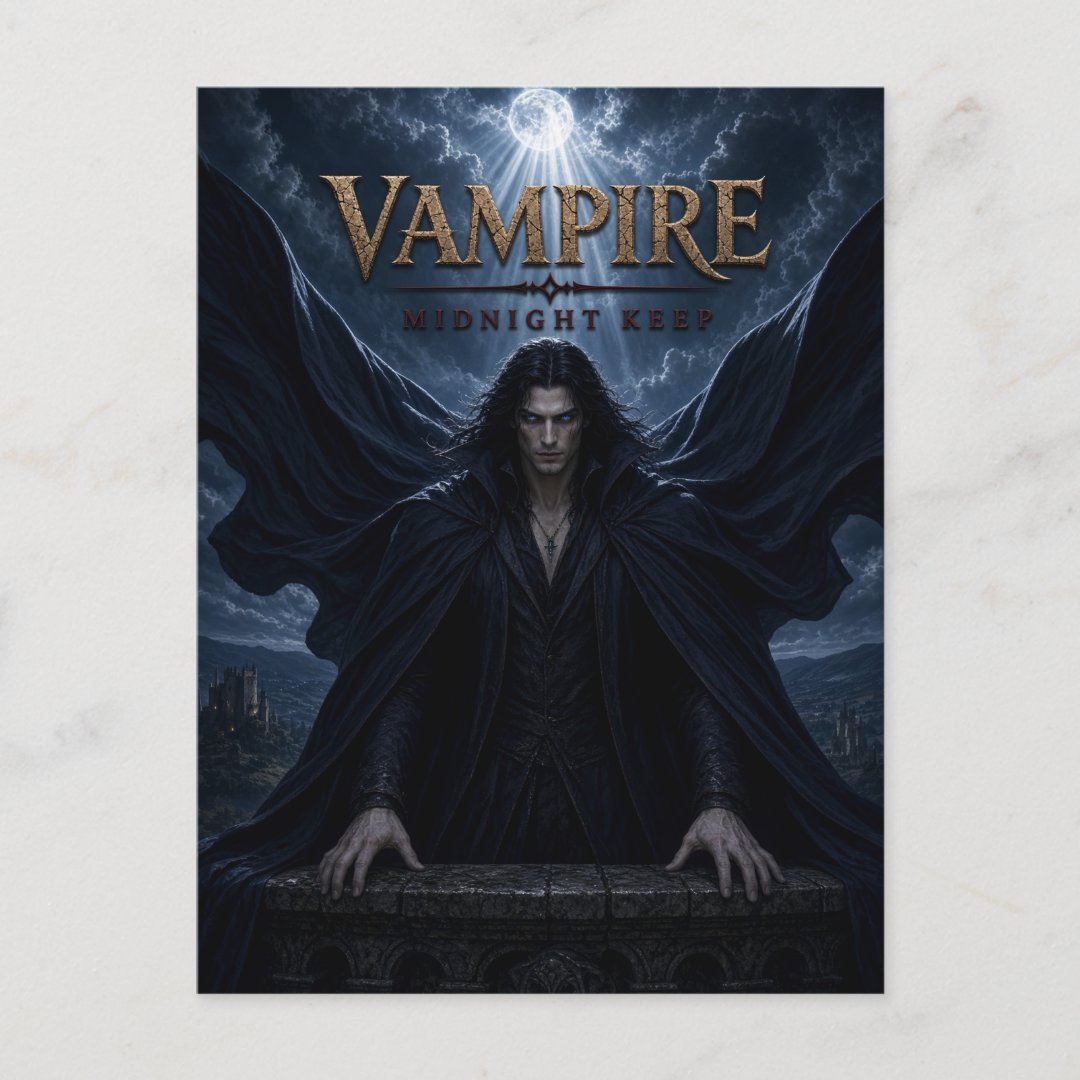
On coverage dated September 5, 2026, from Science in Poland and still circulating on September 11 via Archaeology Wiki — archaeologist Dariusz Poliński of Nicolaus Copernicus University in Toruń reported new work on Zosia,” a 17th-century burial at Pień in the Kuyavian-Pomeranian Voivodeship: a sickle at the throat, a padlock on a toe, possible copper in the mouth, and isotopic hints she may have been an outsider among more than a hundred graves, a dozen of them atypical. That is the folklore wire once. This post stops there and sits on what the headline rides: how vampire belief actually formed in early modern Europe, why people pinned iron on the dead, and which modern rumors are novel add-ons. The Vampire Midnight Keep Dark Cinema Postcard is one monster frame from that older story, not a site tour.
Vampire lore is older than cape-and-castle cinema
Stories of the dead who will not stay dead — who drink, waste the living, or walk — run thick through Slavic, Balkan, and neighboring early modern Europe. Village categories had local names: upir, strzyga, revenant. The problem was practical. A sudden death, an epidemic, a body that looked undecayed when the grave was opened, a neighbor who had been an outsider in life. Folklore answered with tools: iron, lock, stone, sickle, sometimes fire. The fear was that the corpse still had a job.
People mash fangs plus invitation” into one sticker. Anti-vampire burial, Orthodox and Catholic folk practice, and nineteenth-century literary elegance are related only at the word vampire.” They are not one continuous science. Folklore education starts with the grave and the accusation, not with a dress-code calendar.
Why iron on the dead stuck
Iron and sharp tools were understood as barriers. A sickle at the throat was a mechanical threat: if the corpse sat up, the blade would do the rest. A padlock on a limb was a binding. Stones on the body, stakes, decapitation, and reburial are cousins of the same worry that the dead might return along the same road they used in life.
Outsiders, the untimely dead, and the first victims of a plague were over-represented in the stories because those deaths already needed an explanation.
The useful question is not were they immortal? It is what work did the ritual do?” A community that had no germ theory still had to act. Pinning the corpse was a public answer to private panic. That is history. The postcard's creature is the folklore body that fear painted not a medical chart and not a lecture on invented map labels.
Are the modern rumors true?
Sunlight as instant death. Daylight as a hard kill-switch is largely later fiction. Older accounts more often tie the restless dead to night, graveyard, and threshold without a cinematic ash-in-the-sun exit.
Invitation only. Threshold rules appear in some traditions and many scripts. Plenty of older revenant tales do not wait for a spoken welcome. A lock on a toe is not the same grammar as a drawing-room invitation.
Mirrors, garlic, and a missing reflection. Useful as later literary flourish. Folk remedies vary by region — iron, prayer, naming, decapitation, fire. Do not treat a movie prop list as ethnography.
Why that body exists in story
A werewolf story voted for the thin line between human cruelty and animal hunting. A ghost story voted for unfinished business without a thirst. A vampire story voted for appetite that outlives the grave — the corpse that still needs the living. That is why a literary count and a village revenant still owe the same early modern fear the postcard is built to hold.
Why the Dark Cinema postcard looks the way it does
The Vampire Midnight Keep Dark Cinema Postcard is built from vampire folklore presence, not from an excavation brief and not from a lecture on made-up map labels. The creature stands in night light because that is the job the myth keeps assigning: threshold, hunger, a body caught between grave and guest. A cinematic still is atmosphere and monster, not a site diagram.
Myth And Monsters makes dark cinematic creature art from living folklore. Soft close only when the story needs an object on the wall.

The postcard: Vampire Midnight Keep Dark Cinema Postcard
More vampire folklore art: Vampire collection


Comments
Post a Comment